Caffeine Showdown: Does Brewing Method Really Change Potency?
Caffeine potency in coffee depends on both how much caffeine is extracted and how much coffee ends up in the cup. Brewing method matters, but it does not create a simple ranking in which espresso is always strongest: espresso is highly concentrated by volume, while a larger serving of drip coffee can deliver more total caffeine. The U.S. Department of Agriculture’s FoodData Central lists about 63 milligrams of caffeine in a 1-ounce espresso and about 96 milligrams in an 8-ounce brewed coffee. Bean variety, dose, grind, water temperature, and serving size also affect the result, so the fairest comparison is caffeine per serving as well as per ounce.
Brewing Method and Caffeine Potency
Caffeine potency means the amount or concentration of caffeine in a beverage. The National Coffee Association describes brewing as the process of extracting soluble compounds from ground coffee with water; caffeine is one of those compounds. In practical comparisons, potency can mean either milligrams per serving or milligrams per fluid ounce—two measures that can produce different answers.
The main brewing-method categories include espresso, drip or filter coffee, immersion methods such as French press, and cold brew. Their differences in contact time, pressure, water temperature, coffee-to-water ratio, and final dilution influence extraction and concentration. However, brewing style alone cannot predict the caffeine in a particular cup: the quantity and type of coffee used are major variables too.
Caffeine per serving versus caffeine concentration
Caffeine per serving is the total milligrams in the amount a person drinks. Concentration is the amount in a given volume, often expressed as milligrams per ounce. USDA FoodData Central’s reference values—approximately 63 milligrams for 1 ounce of espresso and 96 milligrams for 8 ounces of brewed coffee—illustrate the distinction: espresso is more concentrated, but the larger brewed serving contains more caffeine overall.
These values are reference estimates, not guarantees for every café drink. Serving sizes and recipes vary, and a large coffee may contain several times the volume of a single espresso shot. Comparing labels or measured serving sizes is therefore more useful than relying on the drink name alone.
What controls extraction
Extraction is the transfer of soluble substances from coffee grounds into water. The Specialty Coffee Association’s brewing guidance treats brew ratio, grind, water temperature, and contact time as important variables in controlling a brew. Finer grounds expose more surface area; longer contact can allow more material to dissolve, although the outcome depends on the full recipe rather than any single setting.
Caffeine is readily extracted during brewing, but a longer or hotter brew should not automatically be assumed to have more caffeine in every cup. Changing the coffee dose, grind, water volume, or filtration can alter the result at the same time. A controlled comparison needs the same coffee and dose, with only the brewing method changed.
How Different Brewing Methods Compare
With the measurement clarified, the methods can be compared by their typical serving style and recipe. Espresso tends to lead in concentration; drip coffee often provides more caffeine in a standard full cup; and immersion or cold-brew results depend especially strongly on the coffee-to-water ratio and whether the drink is diluted.
Espresso: concentrated, not necessarily highest per drink
Espresso is coffee brewed by forcing hot water through finely ground coffee under pressure. Its small serving gives it a high caffeine concentration: USDA’s reference figure is about 63 milligrams per 1-ounce shot. A double shot may provide roughly twice that amount if it uses twice the coffee and is prepared similarly, but café recipes vary.
Espresso’s intensity per ounce can make it seem like the most potent option. Yet one shot commonly contains less total caffeine than a full mug of filter coffee. Drinks such as lattes and cappuccinos inherit the caffeine in their espresso shots; adding milk increases beverage volume but does not add caffeine.
Drip and pour-over: larger servings can add up
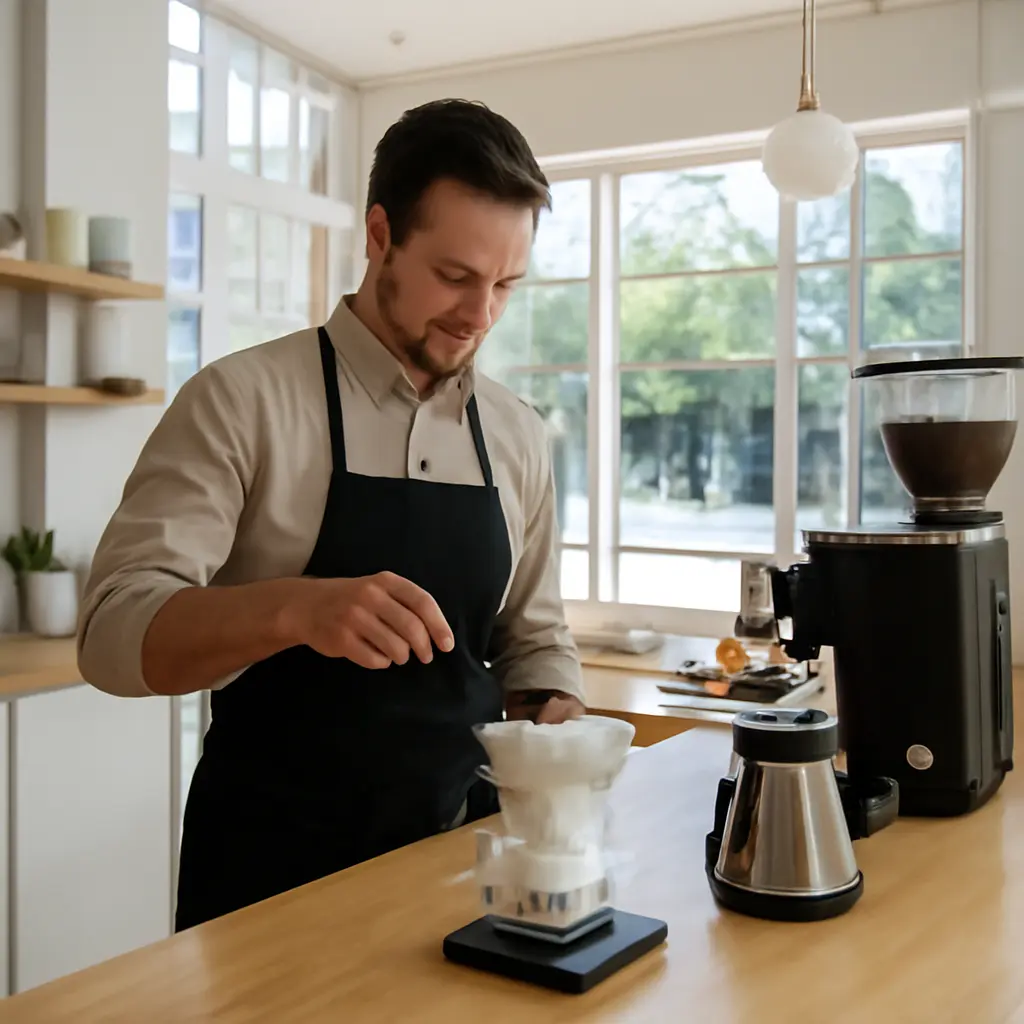
Drip coffee and pour-over are filter methods in which water passes through grounds and a paper or reusable filter. USDA’s approximate value of 96 milligrams per 8-ounce cup is a useful reference point, though actual caffeine varies with dose, beans, grind, and serving size. Because these drinks are often served in larger portions than espresso, their total caffeine can be higher even when their concentration is lower.
Paper filters also retain much of the coffee’s oil and fine particles, producing a cleaner cup. That filtration changes texture and composition, but it does not make caffeine comparisons straightforward: the amount of ground coffee and the final volume still matter most when estimating total caffeine.
French press and other immersion brews
French press is an immersion method: grounds steep in hot water before a plunger separates them from the drink. Its contact time and recipe differ from drip coffee, and a metal mesh filter allows more oils and fine particles into the cup than paper filtration. The finished caffeine amount depends on factors such as the coffee dose, steeping time, and serving volume; the method name alone does not establish that it is stronger than drip.
Other immersion brews, including some manual steeping techniques, follow the same broad principle. If a recipe uses more coffee for the same water volume, it may produce a stronger beverage. If the resulting brew is poured into a larger cup or diluted, the caffeine concentration and caffeine per serving will differ.
Cold brew: recipe and dilution are decisive
Cold brew is coffee steeped in cool or room-temperature water over an extended period. Many recipes produce a concentrate that is later diluted with water, milk, or ice. Consequently, a bottle or café serving can vary widely: the concentrate’s coffee-to-water ratio and the amount used in the final drink determine how much caffeine the customer receives.
Cold brewing does not inherently guarantee more caffeine than hot brewing. A concentrated cold brew may deliver a substantial dose if served undiluted or in a large portion, while a diluted serving can contain less. To compare products, check the manufacturer’s caffeine information when available and note the serving size and dilution instructions.
Why the Same Brewing Method Can Produce Different Caffeine
Brewing method is only one part of caffeine potency. Even two cups made with the same equipment can differ because the coffee itself and the brewing recipe differ. These factors explain why published averages are useful for orientation but cannot precisely predict every homemade or café drink.
Bean species, blend, and roast
Coffee species and blend affect caffeine content before brewing begins. Coffea canephora, commonly called robusta, generally contains more caffeine by weight than Coffea arabica. The blend therefore matters, although a label that says “strong” or “dark” does not by itself reveal the caffeine in the finished cup.
Roast level is not a dependable shortcut for judging caffeine. Roasting changes bean mass and volume, and comparisons can shift depending on whether coffee is measured by weight or by scoop. The more reliable indicators are the amount of grounds used and, when supplied, the product’s measured caffeine information.
Dose, grind, water, and serving size
The dose—the weight of coffee grounds used—is central to the potential caffeine in a brew. Grind size and contact time affect how quickly and extensively water extracts soluble compounds, while water volume and later dilution determine how concentrated the beverage is. Serving size then determines how much of that beverage is actually consumed.
For example, a large café coffee made with a generous dose may contain more caffeine than a smaller cup made by the same method. Conversely, a small, concentrated drink may have more caffeine per ounce but less caffeine in the entire serving. A useful comparison records both the serving volume and the estimated milligrams of caffeine.
Why estimates differ across sources
Caffeine figures differ because researchers and manufacturers may test different beans, recipes, and serving sizes. A coffee shop’s “medium” may be much larger than a standard reference serving, while a bottled cold brew may be diluted according to a proprietary recipe. Laboratory measurements can also capture a specific sample rather than the full range of everyday preparation.
For a practical estimate, use the product’s nutrition or caffeine disclosure when available, and compare like-sized servings. When no measurement is provided, treat reference values as approximate rather than as precise predictions.
Caffeine Intake and Practical Comparisons
Knowing the caffeine in a drink matters because total daily intake can come from multiple coffees, tea, energy drinks, soft drinks, chocolate, and some medicines. The U.S. Food and Drug Administration says that, for most adults, 400 milligrams per day is an amount not generally associated with negative effects. Individual sensitivity, health conditions, medications, and pregnancy can change what is appropriate.
A real-world comparison: espresso versus a mug of coffee
Consider USDA’s approximate reference values: one 1-ounce espresso has about 63 milligrams, while an 8-ounce brewed coffee has about 96 milligrams. The espresso has much more caffeine per ounce, but the brewed cup has more caffeine in the whole serving. Two espresso shots would provide about 126 milligrams if the shots follow the same reference estimate, demonstrating why the number of shots matters as much as the drink category.
This is an illustrative comparison, not a promise about a particular café order. A 12- or 16-ounce brewed coffee, a strong house recipe, or a double espresso can change the ranking. When managing intake, count the actual number of shots and the full size of brewed or cold-brew drinks.
How to make a fair home comparison
A fair test keeps the coffee constant and measures the recipe. Weigh the same beans or grounds, use comparable water amounts, record the final beverage volume, and note any dilution. For precise caffeine numbers, a laboratory analysis or reliable product disclosure is needed; taste, color, and perceived strength are not accurate caffeine tests.
- Compare milligrams per serving, not just caffeine per ounce.
- Record bean type, coffee dose, and serving size.
- For concentrate, include the amount of concentrate and added water or milk.
- Use manufacturer or café caffeine data when available, recognizing that recipes can change.
Conclusion: Brewing Method Matters, but the Recipe Matters More
Brewing method changes how coffee is extracted and served, but it does not determine caffeine potency by itself. Espresso is typically more concentrated by volume, while a larger serving of drip coffee can contain more caffeine overall. French press and cold brew vary with steeping recipes and ratios, and bean species, dose, grind, and dilution all shape the final result.
For a meaningful comparison, look at caffeine per serving and serving size together. Check product disclosures where possible, keep track of all caffeine sources, and consult a healthcare professional if you have questions about your personal intake. The FDA’s 400-milligram figure is general guidance for most adults, not a target or a guarantee that the same amount suits everyone.
Sources: U.S. Department of Agriculture, FoodData Central, https://fdc.nal.usda.gov/; U.S. Food and Drug Administration, Spilling the Beans: How Much Caffeine is Too Much?, https://www.fda.gov/consumers/consumer-updates/spilling-beans-how-much-caffeine-too-much; National Coffee Association, Coffee Preparation, https://www.ncausa.org/About-Coffee/How-to-Brew-Coffee; Specialty Coffee Association, Coffee Standards and Brewing Guidance, https://sca.coffee/research/coffee-standards