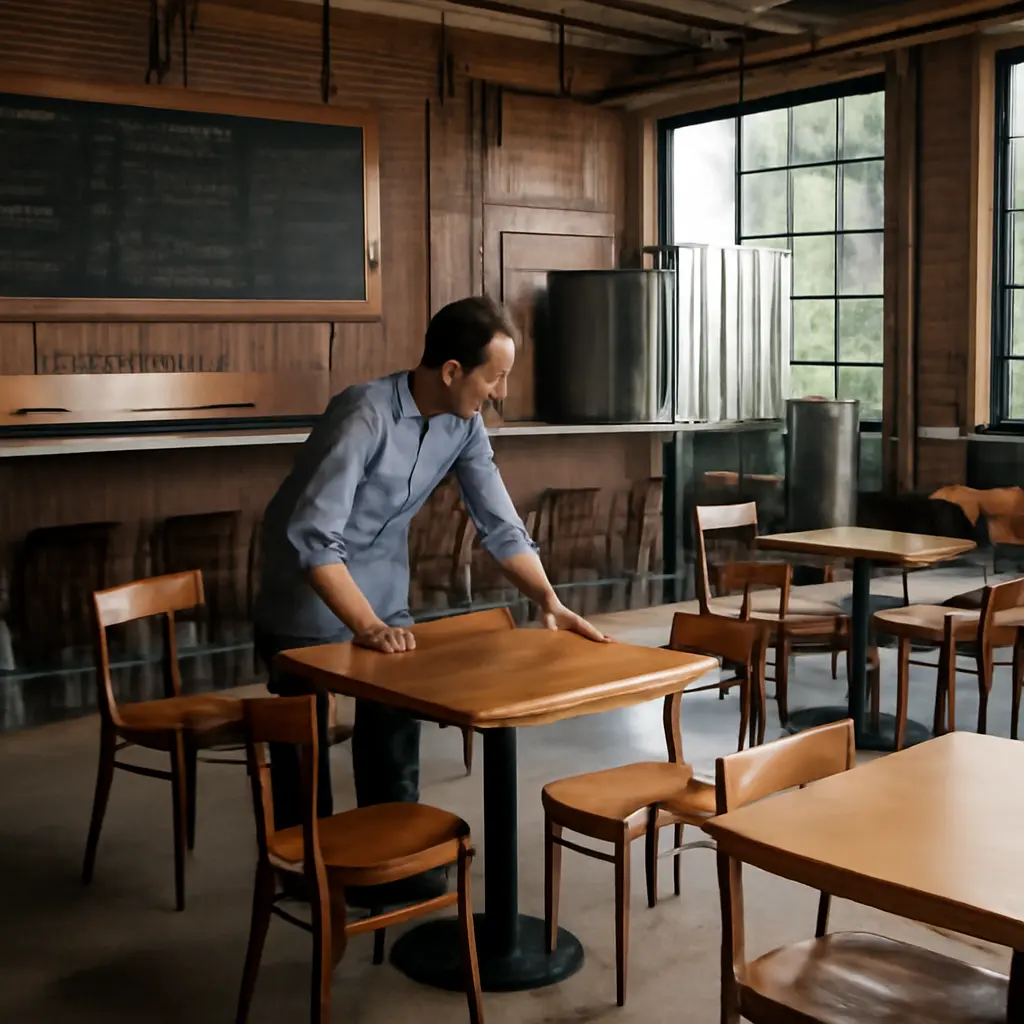
A brewpub’s atmosphere is the sensory and social character customers experience in its space: its lighting, sound, layout, décor, comfort, and the way people interact there. When choosing where to drink beer, atmosphere can make one venue feel more inviting than another—even when menus and prices are similar. Research on restaurant choice and servicescapes supports the importance of physical surroundings, while U.S. consumer-expenditure data show that spending on food away from home remains a substantial part of household budgets. For breweries, that makes the taproom more than a place to serve beer: it is a setting that shapes expectations, encourages visits, and gives the brand a memorable home.
Atmosphere as a Brewpub Choice Attribute
Atmosphere is the overall impression created by a venue’s physical environment and social experience. In servicescape research, Mary Jo Bitner describes the servicescape as the “built environment” in which a service is delivered and experienced. Her framework highlights ambient conditions, spatial layout and functionality, and signs, symbols, and artifacts. Applied to a brewery, these include everything from temperature and music to the placement of tables, the visibility of brewing equipment, and the stories told through signage.
Atmosphere is not a substitute for good beer, service, or value. Rather, it helps customers decide whether a place suits the occasion: a casual weeknight pint, a group celebration, a family outing, or a destination visit. The restaurant research of J. J. J. P. Ryu and Shawn Jang found that physical environment dimensions—including facility aesthetics, ambience, layout, and employee appearance—relate to customers’ emotional responses and behavioral intentions. That evidence is relevant to taprooms because customers evaluate both the drink and the experience surrounding it.
Sensory atmosphere: light, sound, scent, and temperature
Sensory atmosphere refers to the environmental cues customers notice, often before they consciously assess the beer list. Warm lighting, comfortable acoustics, clean air, and a pleasant temperature can make a room feel welcoming; harsh glare, competing noise, or stale odors can work against that impression. These choices should fit the brewery’s identity rather than follow a single formula: a lively industrial taproom and a quiet neighborhood tasting room can both succeed when their sensory cues are intentional.
The U.S. Environmental Protection Agency notes that indoor air quality can be affected by ventilation and indoor pollutant sources. For breweries, where production, cleaning, food service, and crowds may share a building, ventilation and odor management are practical elements of the guest experience as well as operational concerns. Sound also deserves attention: a room that feels energetic to one group may make conversation difficult for another. Operators can assess this by checking noise levels during busy periods and asking guests whether they can comfortably talk.
Spatial atmosphere: layout, comfort, and accessibility
Spatial atmosphere is the way a room’s arrangement affects movement, comfort, and social connection. Clear paths to the bar, visible menus, a mix of seating types, and enough room for people to circulate help customers understand how to use the space. Long communal tables can encourage interaction, while smaller tables and quieter corners support private conversation. The right balance depends on the audience and the occasions the taproom wants to serve.
Accessibility is part of that design, not an optional finishing touch. The U.S. Access Board’s accessibility standards address routes, entrances, seating, and other elements that affect access for people with disabilities. A welcoming taproom considers step-free routes, accessible service points and restrooms, seating choices, and legible menus. These details broaden who can comfortably visit and help make the intended atmosphere credible to more customers.
Social atmosphere: belonging, service, and occasion
Social atmosphere is the feeling created by the people in a venue and the norms of interaction. Friendly staff, clear ordering routines, events that invite participation, and a mix of guests can make a brewery feel approachable. Conversely, an unclear queue, unwelcoming service, or an event calendar that excludes likely visitors can make the space feel difficult to enter. Staff behavior is especially visible in a taproom, where customers may ask about beer styles, ingredients, and brewing methods.
The social setting also communicates who the venue is for. A family-friendly afternoon, a trivia night, or a guided tasting each creates a different expectation. Operators can use event schedules and seating zones to accommodate multiple occasions without diluting the brewery’s identity. This is where atmosphere connects to brand experience: customers do not only remember what they ordered, but also whether the place felt comfortable, distinctive, and worth returning to.
Atmosphere Shapes Customer Choice and Behavior
Atmosphere matters because customers make venue choices under uncertainty. Before a first visit, they may not know whether the beer, service, or food will suit them; photographs, reviews, location, and the room’s visible character serve as clues. Once inside, environmental cues can affect how long customers stay, how they interact, and whether they recommend the venue. This does not mean décor alone determines sales, but it does mean that the environment can reinforce—or contradict—the promise made by a brewery’s brand.
Atmosphere as a signal before the first visit
A venue’s exterior, online photos, and posted information create expectations before arrival. A clear entrance, current hours, accessible information, and images that accurately represent the space reduce uncertainty. If promotional images suggest a relaxed tasting room but the actual environment is crowded and loud, the mismatch can disappoint customers. Consistency between digital presentation and the in-person experience is therefore part of atmosphere management.
The National Restaurant Association’s 2024 State of the Restaurant Industry report describes restaurants as a major part of the U.S. economy and documents consumers’ continued use of foodservice businesses. While that report covers restaurants broadly rather than breweries specifically, it underscores the competitive context: hospitality businesses have to give customers reasons to choose an in-person visit. A distinctive, accurately represented taproom can provide one such reason.
Atmosphere, dwell time, and return intentions
Dwell time is the length of a customer’s visit, while return intention describes the likelihood of coming back. Comfortable seating, understandable service flow, and an atmosphere suited to the occasion can support both. But longer stays are not automatically better: a quick takeaway customer and a group settling in for a meal have different needs. The useful goal is an environment that makes the intended visit feel easy and satisfying.
Ryu and Jang’s restaurant study connects physical environment perceptions with emotional responses and behavioral intentions, providing a research basis for treating surroundings as part of hospitality rather than mere decoration. Brewery operators can test this locally by tracking repeat visits, event attendance, customer feedback, and sales patterns alongside changes to seating, lighting, or music. Such measures do not prove that one design change caused a result, but they can reveal whether the experience is moving in the desired direction.
Atmosphere as a differentiator among similar venues
When nearby breweries offer comparable styles or price points, atmosphere can help customers distinguish them. One taproom might emphasize production visibility and an energetic community hub; another may focus on a calm tasting experience and local history. These are examples of atmosphere as positioning: the physical and social environment makes the brand’s character tangible.
A useful real-world design principle is to connect the room to the brewery’s actual story. A working brew deck can make craft visible, but it should be presented safely and without obstructing circulation. Local artwork can signal community ties, while clear interpretive signs can help visitors understand the brewing process. The strongest details are not generic props; they are cues that customers can connect to the place and its people.
Building a Taproom Atmosphere That Works
A successful atmosphere is designed around the customers and occasions a brewery wants to serve. Owners can begin with observation rather than a costly renovation: note where queues form, which seats go unused, whether guests struggle to hear staff, and how different groups use the room. Then make targeted improvements and evaluate them against customer feedback and operating data.
Match design choices to the brewery’s identity
Brand-aligned atmosphere means that the space communicates the same values as the beer and service. A heritage-focused brewery may use archival images and materials tied to its locality; a contemporary experimental brewery may favor flexible seating and visible production details. The purpose is not to make every feature match perfectly, but to create a coherent experience that feels genuine.
Balance energy with comfort
A lively room can communicate excitement, but excessive noise, poor lighting, or cramped circulation can reduce comfort. Breweries can balance energy through acoustic treatment, seating zones, adjustable lighting, and event planning. Where feasible, a quieter area can serve guests who want conversation while the main bar remains animated.
Use feedback and practical measures
Atmosphere is subjective, so operators should combine observation with direct feedback. Short surveys can ask whether guests found the room comfortable, easy to navigate, and suitable for their visit. Review themes, repeat-visit patterns, event participation, and complaints about noise or seating can provide additional signals. Compare results across similar days and service periods before concluding that a change worked.
- Walk the customer journey from entrance to ordering, seating, and restroom access.
- Check lighting, temperature, air quality, sound, cleanliness, and menu visibility during both quiet and peak periods.
- Offer a range of seating and ensure accessible routes and service points.
- Make online photos and event listings accurate and current.
- Review customer comments regularly and test small changes before investing in major renovations.
Conclusion: Atmosphere Turns a Beer Purchase into a Place Choice
Atmosphere is the combined sensory, spatial, and social character of a brewery’s taproom. Servicescape research helps explain why lighting, layout, décor, and staff interactions can shape customers’ feelings and behavioral intentions; accessibility and indoor environmental quality show that comfort also depends on practical design. In a competitive hospitality market, an inviting and authentic atmosphere can help a brewery stand apart, support the occasions customers come for, and strengthen the overall experience.
The broader lesson is that customers choose more than a beverage: they choose a setting in which to spend time. Brewery teams should observe how people actually use their space, make the environment accessible and comfortable, and measure whether changes improve the visit. Further reading on servicescape research, accessibility standards, indoor air quality, and restaurant-industry trends can help guide those decisions.
Sources: Bitner, Mary Jo, “Servicescapes: The Impact of Physical Surroundings on Customers and Employees,” Journal of Marketing, 1992, https://doi.org/10.1177/002224299205600205; Ryu, K. and Jang, S., “The Effect of Environmental Perceptions on Behavioral Intentions Through Emotions: The Case of Upscale Restaurants,” Journal of Hospitality & Tourism Research, 2007, https://doi.org/10.1177/109634800730235b; National Restaurant Association, 2024 State of the Restaurant Industry Report, https://restaurant.org/research-and-media/research/research-reports/state-of-the-restaurant-industry/; U.S. Environmental Protection Agency, Introduction to Indoor Air Quality, https://www.epa.gov/indoor-air-quality-iaq/introduction-indoor-air-quality; U.S. Access Board, ADA Accessibility Standards, https://www.access-board.gov/ada/